
This portion, loved by so many, tells the story of the daughters of Zelophehad: Mahlah (מַחְלָה), Noah (נֹעָה), Hoglah (חָגְלָה), Milcah (מִלְכָּה), and Tirzah (תִרְצָה). The five sisters, when their father died, realised there was no male heir. They wanted to inherit his name, his wealth and his familial legacy.
This was uncharted territory. It was an audacious ask but they were prepared, they drew close. All five were ready and able to speak. That is why the Netziv of Volozhin, the nineteenth-century Russian rabbi and commentator, says that the text goes to the trouble of telling us that the daughters stood before Moses and Eleazar and the princes. They each spoke to all of them.
And amazingly, they persuaded them all: Moses, Eleazar, the princes and, most importantly, God, who responds, “The words of the daughters of Zelophehad are right.”
This moment of bibl
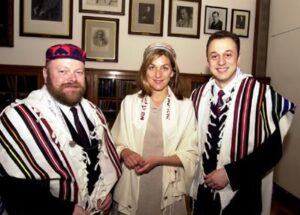
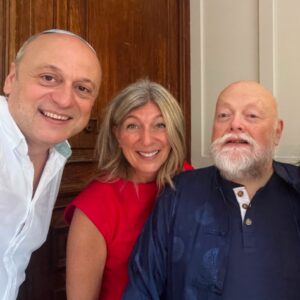
ical change is a significant part of our tradition. It emboldened those in subsequent generations. Last week, together with my colleagues, I celebrated twenty-five years since our ordination. I was inspired to become a rabbi by following in the footsteps of the first woman rabbi, Regina Jonas, who was ordained in 1935, and then Rabbi Jackie Tabick here in the UK in 1975, along with the many women who followed and made it possible for me to enter Leo Baeck College in 1996 and be ordained in 2001 (photo above). Last Friday, we received our fellowship marking a quarter of a century in the rabbinate (photo below). The poet Melanie Kaye/Kantrowitz wrote in her 1990s poem about women, “Let my people in.”
Change is welcome – and this Shabbat, we are ready for a Pride service tonight to celebrate all those LGBTQIA+ Jews who are now so fully welcomed and able to participate in and lead our communities. I am so thankful for audacious people like these daughters, who stepped out of line and asked for more and, in so doing, expanded our Judaism.
Long may that continue.
🌈 Shabbat Shalom 🌈
Rebecca
Copyright © 2026 Finchley Progressive Synagogue. All rights reserved. Website designed by Addicott Web. | Charity #1167285